Understanding Containerized Water Treatment Systems
Containerized water treatment systems represent a groundbreaking approach to providing clean water across various environments. These modular solutions are designed to cater to the unique demands of municipal, industrial, and remote applications. By leveraging the flexibility of modular configurations, organizations can create customized water treatment processes that can be relocated and reused with ease. This is particularly beneficial in today's dynamic landscapes where the need for reliable and safe drinking water is paramount. When exploring options, water treatment systems manufacturer can provide comprehensive insights into available technologies and solutions.
What are Containerized Water Treatment Systems?
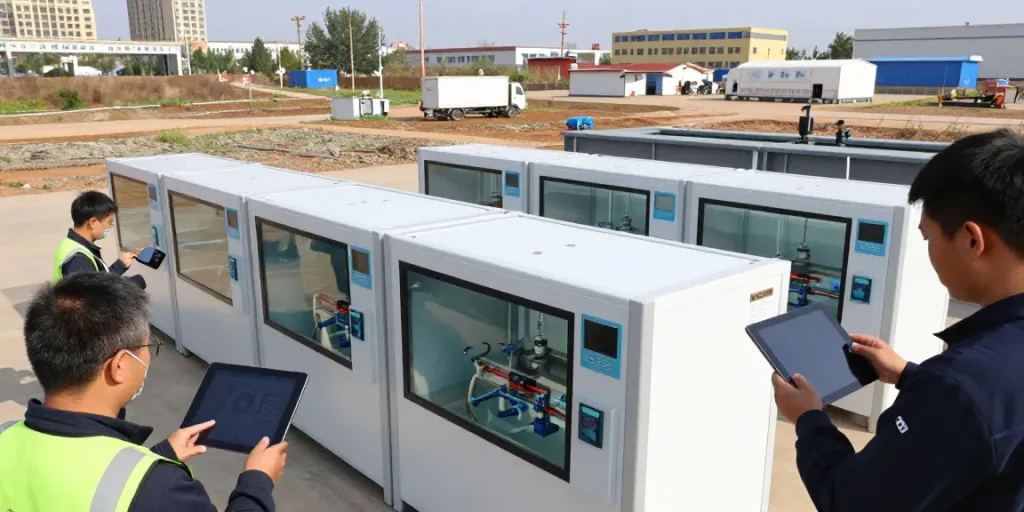
Containerized water treatment systems encapsulate essential water purification processes within a durable and transportable container. These systems typically include processes such as filtration, disinfection, and reverse osmosis (RO), tailored to address specific water quality issues. Their design allows for rapid deployment, minimal site preparation, and the capability to operate under varying environmental conditions.
Benefits of Modular Water Treatment Solutions
Modular water treatment systems offer numerous advantages, including:
- Rapid Deployment: Designed for quick setup, containerized systems can be operational within 3-7 days, significantly faster than traditional installations.
- Space Efficiency: These systems require minimal space compared to traditional setups; they can be placed on flat ground without extensive site preparation.
- Intelligent Control: Advanced monitoring technology allows for real-time performance evaluations and remote operational capabilities, ensuring optimal system performance.
- High Reusability: With a reusability rate exceeding 90%, these systems can be relocated easily, making them ideal for temporary projects or shifting needs.
Applications in Diverse Environments
Containerized water treatment systems are versatile enough to function in a variety of settings, including:
- Municipal Water Supply: Providing communities with safe drinking water in both urban and rural settings.
- Remote Locations: Ideal for disaster recovery or remote industrial operations where traditional water supply may be unavailable.
- Military Operations: Supporting troops with essential water purification capabilities in the field.
- Pharmaceutical and Laboratory Use: Delivering high-purity water for sensitive applications requiring stringent quality standards.
Quality Control in Water Treatment Systems
Ensuring water quality in treatment systems is paramount. Quality control measures should encompass robust monitoring technologies, filtration processes, and adherence to industry standards.
Real-Time Monitoring Technologies
Modern containerized systems employ advanced sensors and IoT connectivity for real-time data collection and monitoring. This technology allows operators to track performance metrics, detect anomalies, and adjust processes dynamically, enhancing overall water quality and system reliability.
Importance of Filtration in Water Purity
Effective filtration is crucial in water treatment systems. Various filtration methods, including sand filters, activated carbon filters, and membrane technologies, work together to remove contaminants and ensure the final product meets safety standards. A multi-barrier approach improves the resilience of the system against changes in incoming water quality.
Standards for Effective Water Treatment
Compliance with local and international water quality standards is non-negotiable for any water treatment system. Regular testing and adherence to guidelines set by organizations like the World Health Organization (WHO) or the Environmental Protection Agency (EPA) can help maintain the integrity and safety of water supplies.
Comparing Containerized and Traditional Systems
When evaluating water treatment options, understanding the distinctions between containerized and traditional systems is essential for making informed decisions.
Deployment Times: A Comparative Analysis
One of the significant advantages of containerized systems is their swift deployment. While traditional systems may take 3-6 months for full construction, containerized solutions can be ready for use in as little as a week. This rapid installation can be crucial in emergencies or in projects with time constraints.
Space Efficiency and Site Requirements
Traditional water treatment plants often require extensive civil engineering and site preparation, leading to higher costs and longer timelines. In contrast, containerized systems are much more space-efficient, often requiring only a flat surface for placement, thus reducing footprint by over 50%.
Reusability and Resource Recycling Rates
Containerized systems excel in terms of reusability, with over 90% of components capable of being relocated and repurposed. This contrasts sharply with traditional systems, which are often fixed structures with a lower resource recycling rate, typically around 40%. The integration of reclaimed water reuse modules further enhances the sustainability of containerized options.
Choosing a Water Treatment Systems Manufacturer
Selecting the right water treatment systems manufacturer is crucial to the success of any project. Factors such as reputation, experience, and technology capabilities determine the quality and reliability of the systems provided.
Key Qualities to Look For
When evaluating manufacturers, consider the following qualities:
- Industry Experience: Look for manufacturers with a proven track record in designing and implementing water treatment systems.
- Customization Capabilities: Ensure they can tailor solutions to meet your specific needs.
- Support and Maintenance: Reliable post-installation support and maintenance services are vital for long-term success.
Evaluating Manufacturer Reputation and Experience
Investigate the manufacturer's reputation in the industry by reviewing past projects, client testimonials, and industry certifications. A reputable manufacturer will be transparent about their processes and successes.
Case Studies of Successful Implementations
Reviewing case studies can provide valuable insights into how specific manufacturers have successfully implemented their systems in various contexts. These real-world examples can guide expectations and inform decision-making.
Future Trends in Water Treatment Technology
As the demand for clean water rises, the water treatment industry is continually evolving. Emerging technologies and trends are shaping the future of water treatment systems.
Advancements in Water Purification Techniques
New techniques such as advanced oxidation processes (AOPs), membrane filtration innovations, and energy-efficient desalination methods are at the forefront of water purification. These advancements promise improved efficiency and effectiveness in producing safe drinking water.
Emerging Technologies for 2026 and Beyond
Looking forward, technologies such as artificial intelligence for predictive maintenance, nanotechnology for filtration, and decentralized water treatment systems are expected to gain traction. These innovations can potentially revolutionize how water treatment systems operate globally.
Predictions for Modular Water Systems Market
The modular water systems market is projected to grow significantly in the coming years, driven by rising urbanization, the need for sustainable solutions, and increasing regulations surrounding water quality. This trend underscores the importance of investing in cutting-edge, adaptable systems that can respond to future challenges.
What should I consider when selecting a water treatment system?
When making a selection, consider factors such as water quality requirements, operational constraints, regulatory compliance, and future scalability. Each of these factors will play a critical role in ensuring the effectiveness and sustainability of the chosen system.
How do containerized systems compare cost-wise to traditional methods?
While initial costs can vary, containerized systems often present a more favorable total cost of ownership. Their rapid deployment, lower site preparation requirements, and high reusability can lead to significant savings in both time and resources over traditional systems.
What environmental benefits do modern water treatment systems offer?
Modern systems prioritize sustainability through reduced resource consumption, energy efficiency, and increased recycling capabilities. By minimizing waste and maximizing water reuse, they align with global sustainability goals and significantly reduce environmental footprints.
How quickly can a containerized water treatment system be deployed?
Containerized systems can typically be deployed and operational within 3-7 days, making them an efficient solution for both urgent and long-term water treatment needs.
Are containerized systems suitable for disaster relief efforts?
Yes, containerized water treatment systems are particularly well-suited for disaster relief. Their portability and rapid deployment capabilities enable them to provide immediate access to clean water in affected areas, thus offering vital support in emergency situations.