Understanding CNC Machining Parts
CNC machining parts serve as the backbone of modern manufacturing, enabling precision and efficiency in producing intricate components. Since 2003, cnc machining parts have revolutionized how industries create prototypes and products, allowing for rapid iteration and production. This article delves into what CNC machining parts are, their critical features, and the advantages they offer to various sectors.
What Are CNC Machining Parts?
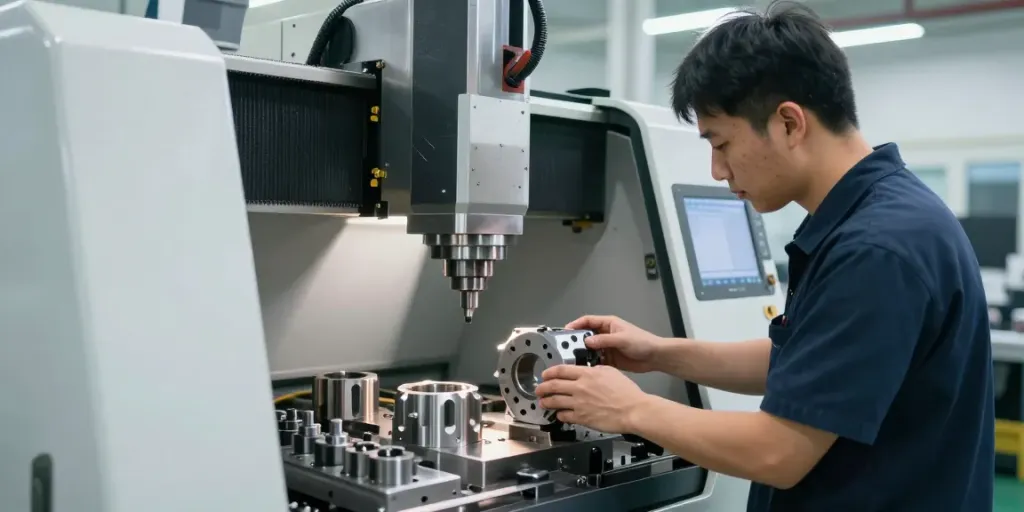
CNC (Computer Numerical Control) machining parts are components produced by machines controlled by computer software. Unlike traditional machining, which often relies on manual input, CNC machines interpret a digital design to carry out precise movements and operations. This technology allows for the production of parts with extremely tight tolerances and complex geometries that may be impossible to achieve otherwise.
Key Components of CNC Machining Services
- Machining Processes: Common processes include milling, turning, and drilling, each tailored to specific material types and designs.
- Materials Used: A wide range of materials, such as metals, plastics, and composites, can be machined to meet various application needs.
- Software Integration: The use of CAD (Computer-Aided Design) and CAM (Computer-Aided Manufacturing) software is essential for translating ideas into machine-readable code.
- Precision Tools: High-quality cutting tools and fixtures are crucial for ensuring accuracy and consistency during production.
Benefits of Precision in CNC Machining
Precision in CNC machining allows manufacturers to create parts that fit perfectly together, reducing waste and increasing overall product quality. This precision is critical across various industries, from automotive to medical devices, where even the slightest deviations can have significant consequences.
Identifying Quality CNC Machining Parts
Knowing how to identify quality CNC machining parts is vital for maintaining standards in manufacturing. The right components ensure durability, functionality, and performance.
Specifications That Matter in CNC Manufacturing
When evaluating CNC machining parts, consider specifications such as:
- Tolerances: The allowable limits of variation in a physical dimension.
- Material Compliance: Adherence to industry standards for the materials used (e.g., ASTM, ISO).
- Surface Finish: The texture of the finished part impacts performance, especially in moving components.
Common Red Flags When Evaluating Parts
Be cautious of machining parts that exhibit:
- Inconsistent surface finishes
- Visible signs of defects (e.g., cracks or warping)
- Lack of documentation or certification
Importance of Certification and Quality Assurance
Choosing a CNC machining partner with ISO certification or similar qualifications is essential. These certifications indicate a commitment to quality control and industry standards, assuring customers of the reliability and longevity of their products.
Common Challenges in CNC Machining
The CNC machining process, while efficient and effective, is not without its challenges. Understanding these potential hurdles can help manufacturers navigate them successfully.
Material Selection Issues
Selecting the wrong material can lead to increased costs and production delays. It's essential to consider the characteristics of each material, including machinability, strength, and suitability for the final application.
Cost vs. Quality Dilemma
Often, manufacturers face a trade-off between minimizing costs and ensuring high-quality outputs. It's crucial to strike a balance to maintain profitability while meeting customer expectations.
Understanding Tolerances and Their Impacts
Tolerances dictate how much variation is acceptable in part dimensions. Tight tolerances can lead to higher production costs due to the need for more precise machinery and extended quality control measures.
Best Practices for CNC Machining Success
To achieve optimal outcomes in CNC machining, companies should adhere to certain best practices that streamline processes and enhance quality.
Steps for Ensuring High-Quality Outputs
- Conduct thorough design reviews to identify potential issues early.
- Regularly maintain and calibrate machinery to ensure precise operations.
- Implement robust quality assurance practices, including inspections at various stages of production.
Choosing the Right CNC Machining Partner
Selecting a CNC machining partner involves assessing their capabilities, experience, and track record. Look for companies with a strong reputation in the industry and those that offer transparent communication and customer support.
Importance of Continuous Improvement in Services
Adopting a philosophy of continuous improvement can help machining service providers stay competitive. This might include investing in new technologies, updating training programs, or actively seeking customer feedback for service enhancement.
Future Trends in CNC Machining Industry
As technology and societal needs evolve, several trends are shaping the future of the CNC machining industry. Staying abreast of these changes can provide a competitive advantage.
Emerging Technologies in CNC Machining
Technological advancements, such as the integration of AI and machine learning, are set to enhance the capabilities of CNC machines. These technologies can optimize machining strategies, reduce waste, and improve efficiency.
Sustainability Practices in Manufacturing
With growing concern for environmental issues, manufacturers are adopting sustainable practices. This includes using recyclable materials and implementing energy-efficient processes throughout the production cycle.
What to Expect in CNC Machining Parts by 2026
By 2026, we can anticipate significant changes in the CNC machining landscape, with advancements in materials science leading to lighter, stronger, and more adaptable components. The increased use of automation will further streamline production and reduce human error.