Understanding Heart Failure and Its Impact
Heart failure is a critical health condition that not only affects the cardiac functionality of millions worldwide but also poses significant long-term challenges for patients and healthcare providers alike. This progressive disease occurs when the heart is unable to pump sufficient blood to meet the body's needs, leading to fatigue, shortness of breath, and a host of complications. As the population ages and lifestyle-related diseases become more prevalent, understanding the intricacies of heart failure and its treatment options, including vital interventions by heart transplant specialists, is increasingly important.
What is Heart Failure?
Heart failure (HF), often referred to as cardiomyopathy, is characterized by a diminished ability of the heart to pump blood effectively due to structural or functional abnormalities. This condition can arise from various causes, including coronary artery disease, hypertension, or previous heart attacks. The heart's compromised function results in inadequate blood flow to the body's organs, leading to fatigue and other symptoms.
Symptoms and Diagnosis of Heart Failure
Patients with heart failure may experience a range of symptoms, including:
- Shortness of breath, especially during physical activity or lying down.
- Fatigue and weakness.
- Swelling in the legs, ankles, or abdomen due to fluid retention.
- Frequent coughing or wheezing.
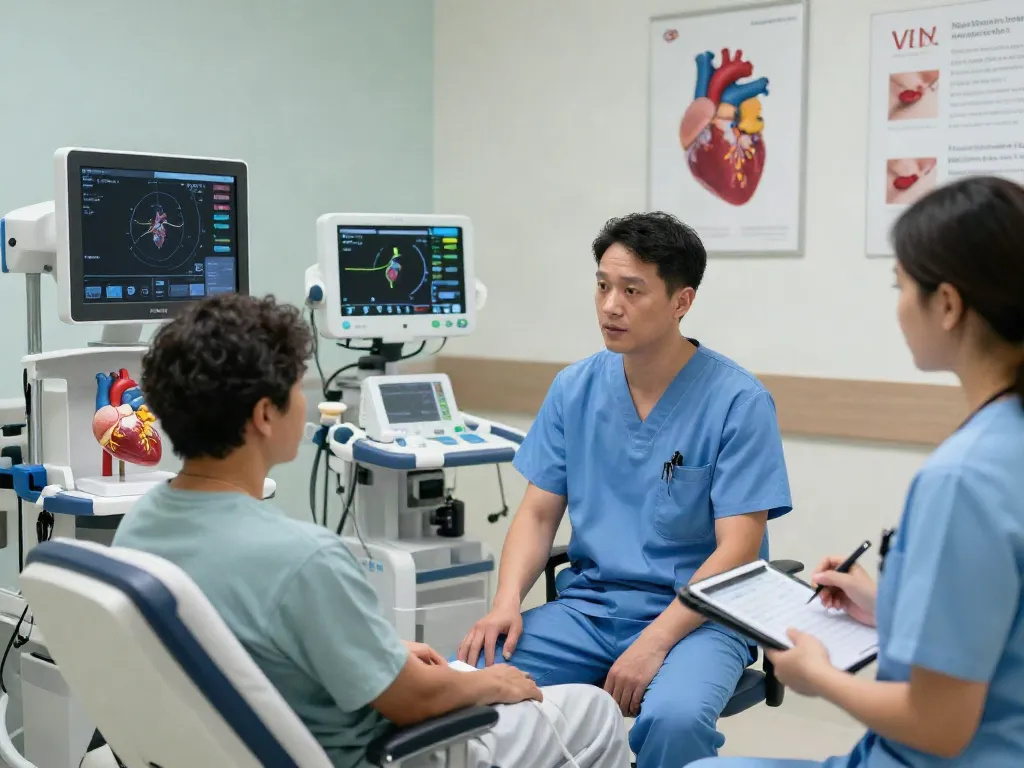
Diagnosis typically starts with a comprehensive medical history and physical examination. Physicians may employ several diagnostic tests, including:
- Echocardiograms to assess heart structure and function.
- Electrocardiograms (ECG) to monitor heart rhythm.
- Blood tests to identify underlying conditions.
Long-Term Effects on Patients
Long-term heart failure can lead to severe limitations in patients' ability to engage in daily activities and significantly impacts their quality of life. Complications may include arrhythmias, kidney damage, and an increased risk of stroke. With proper management and treatment, including lifestyle changes and potentially surgery, patients can improve their outcomes and quality of life.
The Role of Heart Transplant Specialists
Heart transplant specialists play a crucial role in the multidisciplinary management of heart failure. Their expertise is vital for patients who reach advanced stages of the disease and require more aggressive treatments, including transplantation.
What Do Heart Transplant Specialists Do?
Heart transplant specialists are skilled in evaluating candidates for heart transplantation, performing the surgery, and managing post-operative care. Their responsibilities include:
- Comprehensive evaluations of the patient’s medical history and current health status.
- Coordination of the transplant process including donor matching and surgery.
- Management of post-transplant complications and long-term care.
Qualifications and Expertise Required
To become a heart transplant specialist, physicians typically complete extensive training in cardiology and transplant surgery. They must possess a deep understanding of:
- Cardiac physiology and pathophysiology.
- Immunology to manage organ rejection.
- Surgical techniques specific to heart transplantation.
Multidisciplinary Teams in Transplant Care
Heart transplant programs are inherently multidisciplinary, involving various healthcare professionals such as cardiologists, surgeons, nurses, dietitians, and social workers. This team collaborates to optimize patient care and improve outcomes post-transplant.
Innovative Treatments in Heart Transplantation
With advancements in medical technology, the treatment landscape for heart failure has significantly evolved, leading to improved survival rates and quality of life for patients.
State-of-the-Art Surgical Techniques
Modern surgical techniques have transformed heart transplantation into a more viable option for advanced heart failure patients. These methods include:
- Minimally invasive cardiac surgery that reduces recovery times and complications.
- Innovative surgical techniques, such as the "modified branch-first" approach, that minimize risks during complex surgeries.
Post-Operative Care and Recovery
Post-operative care is critical to the success of heart transplantation. Patients require regular monitoring for signs of organ rejection and other complications. Rehabilitation programs play an essential role in helping patients regain their strength and restore their quality of life.
Advancements in Remote Monitoring Technologies
Remote patient monitoring technology has become increasingly relevant in managing heart failure. Devices can continuously monitor patients' vital signs and alert healthcare providers of any abnormalities. This proactive approach enhances patient safety and allows for timely interventions.
Real Patient Stories and Outcomes
Listening to patient experiences provides valuable insights into the real-world impact of heart transplantation and advanced heart failure care.
Case Study: Innovative Heart Surgery Technique
Moussa Abd ElRaihim Elgohary made headlines as the first person in the world to undergo an innovative surgical technique at Cleveland Clinic Abu Dhabi. This method, which significantly reduces the risks associated with open-heart surgery, has redefined expectations for patient outcomes. His quick recovery demonstrates the positive impact of advanced surgical techniques on patient care.
Remote Patient Monitoring Success Stories
Diana Barreto's story exemplifies the benefits of remote heart monitoring. Living with a pacemaker, she experienced a significant arrhythmic episode that was detected via her monitoring device. Her timely intervention allowed for a dosage adjustment and minimal disruption to her life, showcasing how technology can enhance patient safety and confidence.
Long-Term Recovery Perspectives from Patients
Long-term recovery stories highlight the resilience of heart transplant recipients. Patients like Nalani, who underwent urgent neurosurgery for a double-ruptured aneurysm, describe their experiences as phenomenal, emphasizing the importance of comprehensive care and support throughout their journeys.
The Future of Heart Transplant Services
As we look toward the future, heart transplant services are expected to evolve, driven by innovations in healthcare, patient management, and technology.
Emerging Trends in Heart Health Care by 2026
By 2026, we anticipate several trends impacting heart health care, including:
- Increased collaboration between hospitals and technology firms to enhance monitoring solutions.
- Greater emphasis on preventative care and patient education to manage heart diseases before they progress to severe stages.
Predicted Advances in Transplant Surgery
We expect significant advancements in transplant surgery techniques, making procedures safer and more efficient. Innovations such as 3D-printed organs and robotic-assisted surgeries may become commonplace, offering hope to patients with severe heart conditions.
Global Insights and Comparisons in Heart Transplantation
Insights from global heart transplant programs can provide valuable lessons on improving outcomes. Centers that have implemented team-based approaches and advanced monitoring technologies report higher survival rates and better patient satisfaction.
What are the survival rates for heart transplants in 2026?
Survival rates for heart transplants are projected to improve, with some centers nearing 90% one-year survival rates, driven by enhanced surgical techniques and post-operative care protocols.
Who is the best heart transplant doctor to consider?
The question of who makes the best heart transplant doctor can be subjective, depending on individual patient needs and circumstances. However, physicians with extensive experience, a proven track record of successful surgeries, and a compassionate approach often emerge as top choices.
How is life after a heart transplant managed?
Life post-heart transplant involves regular follow-ups, medication adherence to prevent rejection, and lifestyle modifications to ensure heart health. Patients are encouraged to maintain a well-balanced diet, exercise regularly, and participate in rehabilitation programs.
What should I avoid after receiving a heart transplant?
After a heart transplant, patients should avoid smoking, excessive alcohol consumption, and unregulated physical activity. Additionally, they must adhere to their prescribed medication regimen to minimize the risk of organ rejection.