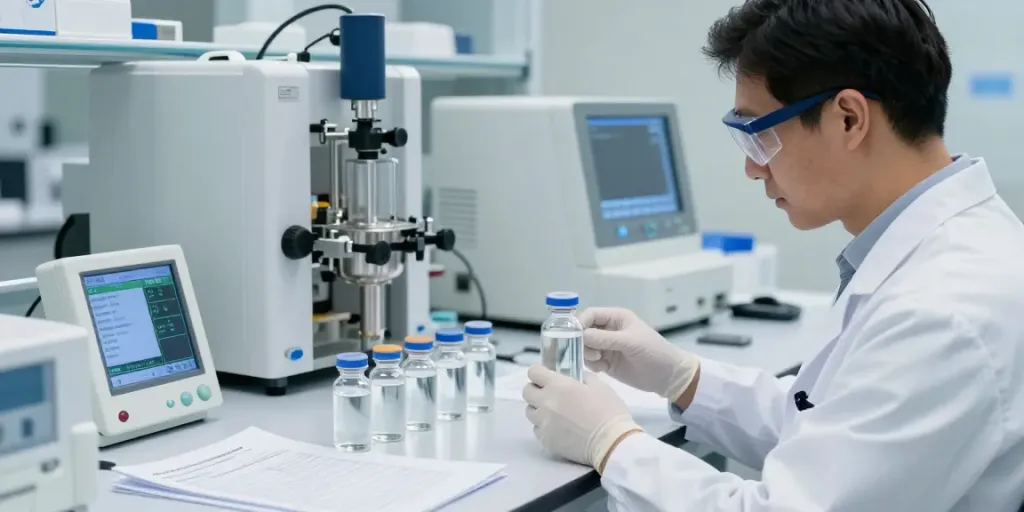
Understanding American Made Peptides
American made peptides have gained significant attention in recent years due to their potential applications across various sectors, including health, wellness, and research. As the peptide industry evolves, understanding the intricacies of domestically produced peptides helps researchers, practitioners, and consumers make informed decisions. This article explores the vital aspects of American made peptides, including their production standards, benefits, and future trends.
When exploring options, american made peptides provide comprehensive insights into quality and efficacy, allowing for reliable research outcomes. Understanding these intricacies helps stakeholders evaluate the products available in the market.
What are American Made Peptides?
American made peptides refer to peptides that are synthesized and produced within the United States, adhering to rigorous quality and safety standards. These small chains of amino acids are designed to mimic or influence biological processes and can be utilized for various research applications, from drug development to cosmetic formulations. The use of American made peptides ensures that the products meet strict regulatory guidelines, which can differ significantly from international offerings.
Benefits of Using USA-Made Peptides
The benefits of utilizing USA-made peptides include:
- Quality Assurance: Domestic production often adheres to stringent quality control standards, ensuring higher purity levels.
- Faster Availability: Local manufacturers can fulfill orders more quickly and efficiently than international suppliers, reducing lead times.
- Regulatory Compliance: American made peptides are produced in compliance with FDA regulations, which guarantees that their manufacturing processes are closely monitored.
- Transparency: Users can trace the origins of these peptides more easily, enabling better confidence in their research.
Comparing Domestic and International Peptide Production
The comparison between domestic and international peptide production involves several key factors:
- Regulatory Environment: The U.S. benefits from strict FDA regulations governing peptide production, providing a safeguard for researchers and consumers.
- Manufacturing Standards: Many American companies operate under cGMP (current Good Manufacturing Practice), which may not always be the case for international manufacturers.
- Shipping and Handling: Domestic shipments typically experience fewer complications compared to international transport, reducing risks of delays or damages.
Quality Control in Peptide Manufacturing
Quality control plays a crucial role in the success of American made peptides. Implementing rigorous testing and manufacturing protocols is essential to ensure the efficacy and safety of peptide products.
Standards and Regulations for American Peptides
American peptide manufacturers must follow specific regulations set forth by the FDA and other regulatory bodies. These standards dictate everything from raw material sourcing to the final product testing, ensuring that each batch of peptides adheres to high-quality benchmarks. Regular inspections and audits contribute to maintaining compliance, further enhancing the trustworthiness of American made peptides.
Importance of Testing for Purity and Efficacy
Purity and efficacy testing are vital components of the manufacturing process. American peptide companies often employ advanced techniques such as:
- High-Performance Liquid Chromatography (HPLC): Used to determine the purity of peptides by separating them from impurities.
- Mass Spectrometry: Helps in confirming the molecular weight and structure of peptides.
- Biological Assays: These tests evaluate the biological activity of peptides to ensure they deliver the intended effects.
Common Challenges in Peptide Quality Assurance
Despite advancements in peptide technology, several challenges persist in ensuring quality assurance:
- Contamination Risks: The risk of contamination during production can impact peptide quality.
- Stability Issues: Peptides are sensitive molecules that can degrade under improper conditions, necessitating stringent storage and handling practices.
- Batch Consistency: Variability in production processes can lead to inconsistencies in peptide batches—a significant concern for researchers.
Applications of American Made Peptides
American made peptides are versatile compounds with a wide range of applications across various sectors:
Research Applications in Health and Wellness
In the health and wellness domain, peptides are increasingly recognized for their potential therapeutic benefits. Researchers utilize them in studies related to:
- Metabolism Regulation: Certain peptides have been shown to influence metabolic processes, making them candidates for obesity and diabetes treatment research.
- Muscle Growth and Repair: Peptides like IGF-1 are investigated for their roles in promoting muscle growth and recovery following exercise.
- Skin Repair: Research into peptides that stimulate collagen production highlights their potential in anti-aging treatments.
Peptides in Pharmaceutical Development
Pharmaceutical companies are leveraging American made peptides in drug discovery and development. Their applications include:
- Targeted Drug Delivery: Peptides can be designed to deliver drugs more effectively to specific tissues, enhancing efficacy while minimizing side effects.
- Biologics Production: Peptides play a critical role in developing biologics—complex molecules used in various therapeutic contexts.
- Diagnostics: Peptides are utilized in diagnostic assays, such as those detecting diseases through biomarker identification.
Innovative Uses in Cosmetic Products
Beyond healthcare and pharmaceuticals, American made peptides are finding innovative applications in the cosmetic industry:
- Anti-Aging Formulations: Peptides are integral to products claiming to reduce wrinkles and fine lines by stimulating skin renewal.
- Moisturizers: Certain peptides help enhance skin hydration by improving the skin barrier function.
- Hair Care: Peptides are increasingly included in shampoos and conditioners to promote hair strength and growth.
Future Trends in Peptide Research
Looking ahead, the peptide industry is evolving rapidly with emerging trends and technologies that promise to shape its future:
Emerging Technologies in Peptide Synthesis
Advancements in peptide synthesis technologies, such as:
- Microwave-Assisted Synthesis: This method speeds up peptide synthesis significantly, allowing for more efficient production processes.
- Automated Peptide Synthesizers: Automation is streamlining peptide production, reducing costs and enhancing reproducibility.
- Novel Delivery Systems: Research into new methods for delivering peptides to target areas is ongoing, potentially revolutionizing their therapeutic applications.
Predictions for Peptide Applications by 2026
By 2026, we can expect a broader scope of applications for American made peptides, driven by technological advancements and research breakthroughs. Some predictions include:
- Expansion in Therapeutic Uses: Peptides may see wider use in treating chronic conditions such as cardiovascular diseases and autoimmune disorders.
- Increased Customization: Tailored peptides designed for specific patient needs will become more prevalent in personalized medicine.
- Integration with Biotechnology: Collaborations between peptide manufacturers and biotechnological firms will likely accelerate innovative product developments.
The Role of American Made Peptides in Global Markets
As the global peptide market grows, American made peptides are positioned to play a pivotal role. Their adherence to high-quality standards and reliable manufacturing processes can set a benchmark for international markets. Enhanced quality assurance, technological advancements, and increasing demand for peptides across sectors will likely foster international collaborations and exports from the U.S.
Frequently Asked Questions
What is the most trustworthy peptide company?
Trustworthiness in peptide companies is determined by several factors, including compliance with regulatory standards, transparency in manufacturing processes, and history of quality control. It is advisable to conduct thorough research and review customer feedback when selecting a supplier.
Are American peptides trustworthy?
Yes, American peptides are generally considered trustworthy due to stringent regulatory oversight, adherence to quality standards, and rigorous testing protocols enforced by manufacturers.
Which peptides are FDA approved in the USA?
While the FDA has specific regulations concerning peptides, not all peptides are approved for clinical use. It’s essential to differentiate between research-grade and pharmaceutical-grade peptides, as only those that meet clinical standards can receive FDA approval for therapeutic applications.
How to choose the best American made peptides?
When selecting American made peptides, consider factors such as the company's reputation, the availability of certificates of analysis, compliance with good manufacturing practices, and the specific needs pertaining to your research or application.
What are the benefits of peptides in research?
Peptides offer numerous benefits in research, including targeted action, lower toxicity compared to traditional drugs, ease of modification for specialized applications, and the potential for diverse therapeutic effects across various biological pathways.