Understanding DPF Reinigen
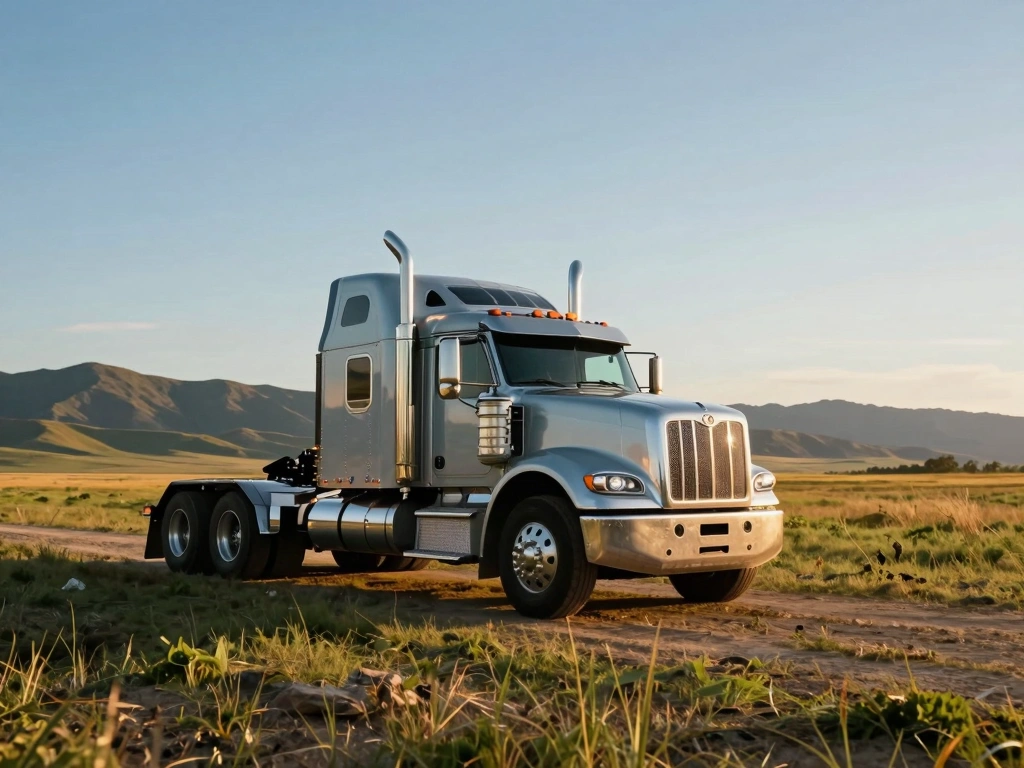
Diesel Particulate Filters (DPF) are crucial components in modern diesel engines, designed to trap soot and particulate matter from exhaust gases. Proper maintenance and cleaning—commonly referred to as dpf reinigen—is essential for optimal engine performance and compliance with emissions regulations. In this article, we will explore the intricacies of DPF technology, its importance in the automotive industry, and the best practices for keeping your DPF in excellent condition.
What is a Diesel Particulate Filter?
A Diesel Particulate Filter (DPF) is a device that captures soot and other particulate emissions produced during the combustion of diesel fuel. Its primary purpose is to reduce the number of harmful particles released into the atmosphere, thereby helping to meet stringent environmental standards. DPFs utilize a combination of filtration and oxidation processes to trap and subsequently burn off these particulates, a process known as regeneration.
Why DPF Maintenance Matters
Maintaining a clean DPF is vital for several reasons, including:
- Fuel Efficiency: A clogged DPF can restrict exhaust flow, leading to increased fuel consumption and reduced engine efficiency.
- Emissions Control: Regular cleaning ensures that your vehicle remains compliant with emissions regulations, preventing potential fines and penalties.
- Engine Longevity: Ignoring DPF maintenance can lead to engine stress and damage, ultimately shortening the lifespan of your vehicle.
Common Misconceptions About DPF Cleaning
Many vehicle owners have misconceptions about DPF cleaning, which can lead to improper care. Here are a few common myths:
- Myth 1: DPF cleaning is unnecessary if my car runs smoothly.
- Myth 2: All DPF cleaning methods are the same.
- Myth 3: You can always rely on the vehicle's onboard systems to handle DPF issues.
Understanding the truth behind these myths is essential for ensuring proper vehicle maintenance and enhancing overall performance.
Signs Your DPF Needs Cleaning
Recognizing the signs that your DPF requires cleaning is crucial for maintaining vehicle performance. Ignoring these signs can lead to severe engine issues and costly repairs. Common indicators include:
Symptoms of DPF Blockage
Some telltale symptoms of a blocked DPF include:
- Decrease in Engine Power: A sudden loss of power can indicate a clogged filter.
- Increased Fuel Consumption: You may notice that you are filling up more frequently.
- Warning Lights: Your vehicle may display a DPF warning light on the dashboard.
When to Seek Professional Help
If you experience any of the symptoms mentioned above, it is essential to seek professional assistance. Ignoring these signs can lead to more severe damage and expensive repairs. Regular checks with a certified mechanic will help you ascertain the health of your DPF and address issues timely.
DIY Vs. Professional DPF Reinigen
While some vehicle owners consider DIY cleaning methods, the effectiveness and safety of professional cleaning cannot be overstated. Professional services often employ advanced techniques, ensuring thorough cleaning without risking damage to the DPF system. However, understanding the basics of DIY cleaning can empower you to maintain your DPF between professional services.
Effective DPF Cleaning Techniques
When it comes to DPF cleaning, both chemical and mechanical methods are available. Each technique has its pros and cons, which we will discuss below.
Chemical vs. Mechanical Cleaning Methods
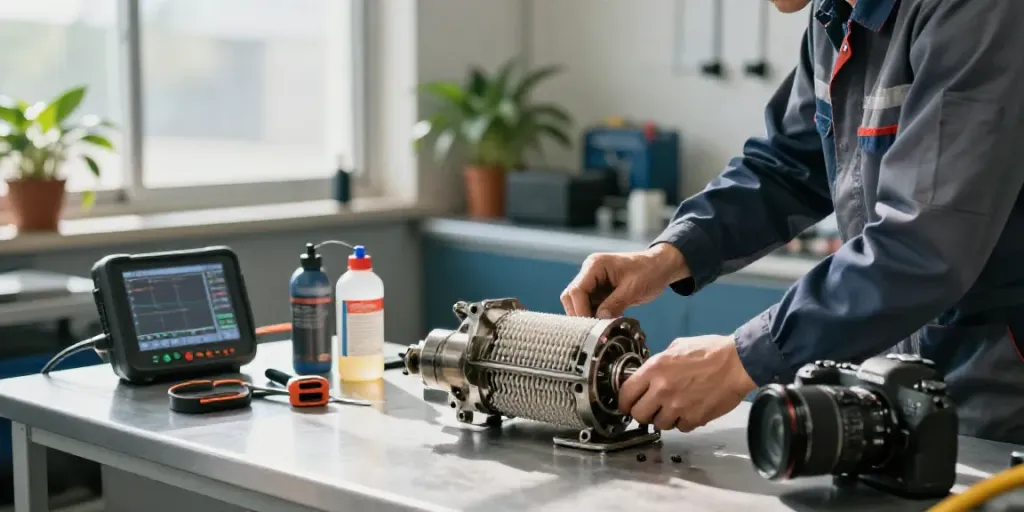
Chemical cleaning involves using specific solutions that dissolve soot and particulates, effectively restoring the filter's functionality. Mechanical cleaning, on the other hand, utilizes physical tools to remove blockages. Choosing the right method depends on the extent of the clog and the DPF's condition.
Best Practices for DPF Maintenance
To prolong the life of your DPF and maintain its efficiency, consider the following best practices:
- Regular Driving Habits: Engage in longer drives regularly to allow the DPF to reach necessary temperatures for regeneration.
- Use Quality Fuel: Invest in high-quality diesel fuel to minimize deposit formation.
- Scheduled Maintenance: Perform regular maintenance checks to detect DPF issues early.
Step-by-Step Guide to DPF Reinigen
For those considering a DIY approach, here’s a simplified guide:
- Ensure the engine is cool and the vehicle is safely positioned.
- Disconnect the DPF from the exhaust system.
- Clean the filter using the selected method (chemical/ mechanical).
- Reattach the DPF and ensure all connections are secure.
- Perform a system reset to clear any error codes.
Future Trends in DPF Technology
The DPF landscape is continuously evolving as automotive technology advances. Keeping abreast of these trends can help vehicle owners make informed decisions about their maintenance needs.
Advancements in Diesel Emission Control
New technologies are being developed to make DPF systems more efficient and easier to maintain. Innovations include improved materials that enhance soot capture rates and systems that require less frequent cleaning.
Impact of Electric Vehicles on DPF Use
The increasing adoption of electric vehicles is likely to reduce the overall need for DPF systems. As the industry shifts towards cleaner technologies, traditional diesel engines may see a decline in usage, impacting DPF manufacturers and service providers.
Predictions for DPF Maintenance in 2026
By 2026, it is expected that DPF maintenance practices will be more integrated with vehicle diagnostics, allowing for predictive maintenance alerts that inform drivers before issues escalate. Additionally, manufacturers may develop more user-friendly cleaning systems that empower car owners.
FAQs About DPF Reinigen
How do I manually start DPF regeneration?
Manual DPF regeneration can typically be initiated through your vehicle's onboard diagnostic system. Refer to your owner’s manual for specific instructions tailored to your vehicle model.
Can I clean my DPF filter myself?
Yes, it is possible to clean your DPF yourself, but it's essential to proceed carefully. Ensure you use the right tools and methods to avoid damaging the filter.
How much does it cost to get a DPF cleaned?
The cost of professional DPF cleaning varies by service provider and may range from $100 to $300, depending on the cleaning method and vehicle type.
Is DPF cleaning necessary?
Yes, regular DPF cleaning is necessary to maintain engine performance, improve fuel efficiency, and comply with emissions standards. Neglecting this maintenance can lead to costly repairs and decreased vehicle performance.
What are the benefits of regular DPF maintenance?
Regular DPF maintenance offers numerous benefits, including enhanced engine efficiency, lower emissions, and reduced risk of costly breakdowns. Proactive care can save time and money in the long run.