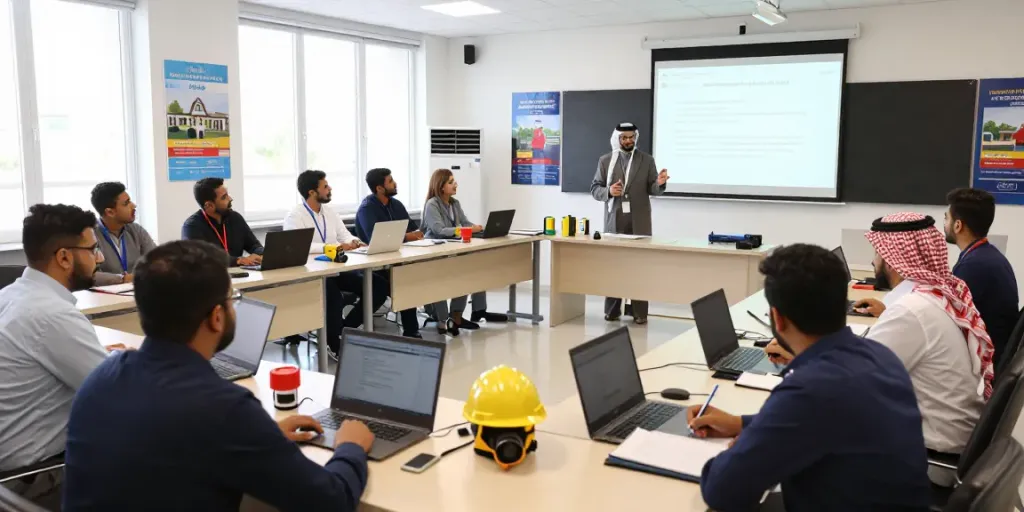
Understanding HSE Training Programs in Saudi Arabia
As businesses become increasingly aware of the importance of health, safety, and environmental (HSE) standards, the demand for specialized training programs is on the rise in Saudi Arabia. These programs equip professionals with essential skills to ensure workplace safety, comply with regulations, and foster a culture of health and environmental responsibility. When exploring options, Training Institute Saudi Arabia provides comprehensive insights into available courses and certifications that can significantly enhance workplace competency and safety.
What is HSE Training and its Importance?
Health, Safety, and Environmental (HSE) training encompasses a variety of programs designed to educate individuals about workplace safety, environmental protection, and health regulations. The primary goal of HSE training is to minimize accidents and environmental risks, thereby protecting employees, the public, and the environment. In Saudi Arabia, where industries such as oil and gas, construction, and manufacturing are predominant, HSE training is not merely beneficial but often mandated by law.
Overview of HSE Certifications Offered
Various organizations recognize HSE certifications globally, ensuring that professionals are equipped with the necessary skills and knowledge. The most sought-after certifications include:
- NATIONAL FIRE PROTECTION ASSOCIATION (NFPA)
- ProQual (UK) NVQ LEVEL 6 Diploma in Occupational Health and Safety Practice
- ProQual Level 7 Diploma in Strategic Health and Safety Leadership and Management
- ProQual Level 6 Diploma in Sustainability and Environmental Management
- ProQual Level 7 Diploma in Environmental Management
- NVQ Level 3 Certificate in Occupational Health and Safety
- ProQual Level 3 Award in Environmental Management
- CFPS Certification, ASP Certification, CSP Certification
- IOSH Managing Safely
- ISO Certifications (ISO 9001:2015 QMS, ISO 14001:2026 EMS, ISO 45001:2018 OHSMS)
Key Benefits of Enrolling in HSE Training
Enrolling in HSE training programs offers numerous advantages, including:
- Enhanced Safety Awareness: Trainees gain a comprehensive understanding of safety protocols, reducing the likelihood of workplace accidents.
- Regulatory Compliance: Training helps organizations comply with local and international regulations, avoiding legal repercussions.
- Career Advancement: Certified professionals increase their employability and may qualify for higher positions within their organizations.
- Improved Company Reputation: Organizations that prioritize HSE training demonstrate a commitment to employee welfare and social responsibility.
Choosing the Right Training Institute in Saudi Arabia
Evaluating Accreditation and Recognition
When selecting an HSE training institute in Saudi Arabia, accreditation and recognition are crucial. An accredited institution guarantees that the training provided meets nationally and internationally accepted standards. Reputable organizations such as the National Fire Protection Association (NFPA) and ProQual (UK) are indicators of quality training. Always verify the credentials of the training provider before enrollment to ensure that the courses are recognized by potential employers and industry stakeholders.
Key Factors to Consider When Selecting an Institute
In addition to accreditation, consider the following factors:
- Instructor Expertise: Look for trainers with practical experience in the field and recognized qualifications.
- Course Content: Review the course syllabus to ensure it covers current regulations, practices, and technologies.
- Learning Environment: A conducive learning environment that encourages engagement and interaction will enhance the training experience.
- Flexibility: Choose an institute that offers flexible scheduling options, including online courses, to accommodate your work commitments.
Top HSE Training Institutes in Saudi Arabia
Several institutes stand out in the HSE training landscape of Saudi Arabia:
- Burraq Consulting: Known for its comprehensive HSE certifications and ISO Lead Auditor courses.
- Asas Training: Offers a wide range of HR and HSE training programs tailored to various industries.
- Leoron Institute: Recognized for its accredited training courses across several effective fields.
- Highfield Approved Training Centre: Provides internationally recognized qualifications in health and safety.
Popular HSE Courses Available
Diploma Programs in Health and Safety
Diploma programs are fundamental for those seeking in-depth knowledge in health and safety practices. These programs, often accredited, provide essential skills for managing workplace hazards. Key offerings include:
- NVQ Level 6 Diploma in Occupational Health and Safety Practice
- ProQual Level 7 Diploma in Strategic Health and Safety Leadership
Specialized Courses: Fire Safety and Risk Assessment
Fire safety training is critical, particularly in industries with high fire risks. Courses such as the International Award in Fire Safety and Risk Assessment equip professionals with the necessary skills to conduct effective risk assessments and implement fire safety measures.
Leadership and Management Training in HSE
Leadership in health and safety is vital for promoting a culture of safety within an organization. Courses focusing on strategic leadership skills, like the ProQual Level 7 Diploma in Strategic Health and Safety Leadership and Management, prepare professionals to take on managerial roles and lead safety initiatives effectively.
Real-World Applications of HSE Training
Case Studies of Successful HSE Implementation
Implementing HSE training programs can lead to significant improvements in workplace safety. For example, a construction company in Saudi Arabia that integrated regular HSE training saw a 40% reduction in workplace accidents within a year. This was primarily due to increased employee awareness and adherence to safety protocols.
Impact of Training on Workplace Safety Culture
HSE training plays a fundamental role in cultivating a safety-first mindset. Organizations that invest in training demonstrate a commitment to employee welfare, often resulting in a more engaged and productive workforce. Furthermore, a positive safety culture can lower insurance premiums and reduce liability risks.
Future Trends in HSE Training Innovations
The HSE training landscape is evolving with innovations in technology. Virtual reality (VR) and augmented reality (AR) training modules are gaining traction, providing immersive experiences that enhance learning outcomes. Additionally, the rise of online courses offers greater accessibility, allowing professionals working in remote areas to obtain essential training without needing to travel.
Frequently Asked Questions About HSE Training
What is the duration of HSE courses?
The duration of HSE courses varies widely, ranging from a single day for basic awareness programs to several months for diploma programs, depending on the depth of content and training provider.
Are online HSE courses recognized in Saudi Arabia?
Yes, many online HSE courses are recognized in Saudi Arabia, particularly those offered by accredited institutions. However, it's essential to confirm the course's accreditation before enrolling.
How can I assess the quality of an HSE training program?
Assess the quality of an HSE training program by reviewing its accreditation, instructor qualifications, course content, and participant feedback or success stories from previous students.
What job opportunities are available after HSE certification?
HSE certification opens various career paths, including roles such as Health and Safety Manager, Environmental Compliance Officer, Safety Trainer, and Risk Assessment Specialist, among others.
What are the costs associated with HSE training programs?
The costs for HSE training programs can range widely based on the complexity and length of the course. Basic awareness courses may start at a few hundred dollars, while advanced diploma programs can cost several thousand dollars. Additionally, employers often sponsor training for their staff.