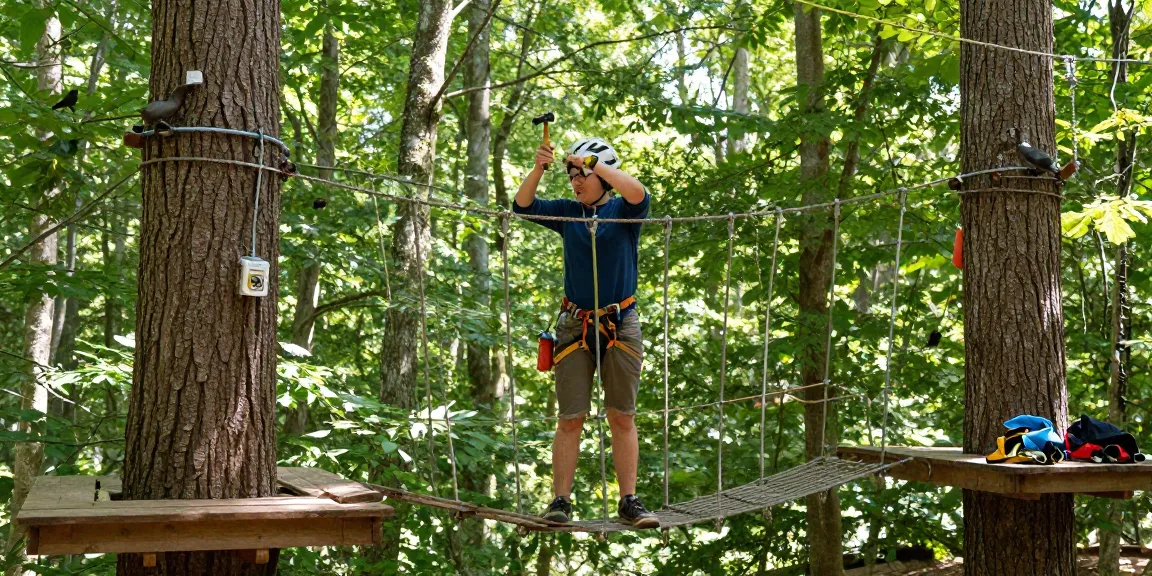
Understanding Rope Bridge Design Fundamentals
Rope bridges represent not only a remarkable feat of engineering but also a testament to human creativity and adaptability. They have been used for centuries across diverse cultures, enabling safe passage over challenging terrains. From ancient rope bridges in the Andes to modern designs connecting treehouses or spanning rivers, understanding the fundamentals of Rope Bridge design can open up a world of possibilities for both recreational and functional projects. This exploration will delve into what constitutes a rope bridge, its historical significance, and the principles behind its stability and safety.
What is a Rope Bridge and Its Historical Significance?
A rope bridge typically consists of a suspended pathway made from ropes and supportive elements, generally cables or posts. These bridges are often simple in design, relying on tension rather than complex architectures. Historically, rope bridges have played crucial roles in areas where conventional bridges were impractical, such as mountainous regions or deep valleys. For instance, indigenous communities in South America have used these structures for centuries to facilitate trade and movement across rugged terrain.
The Physics of Rope Bridge Stability and Safety
The stability of a rope bridge hinges on fundamental principles of physics, particularly tension and compression. A well-designed rope bridge distributes weight evenly, allowing it to accommodate load without unnecessary strain on any single component, which is essential for safety. Engineers must consider factors like span length, load-bearing capacity, and environmental conditions to ensure that the structure can withstand the forces applied to it. Additionally, understanding resonance and wind dynamics is crucial in preventing structural failures.
Key Materials Used in Rope Bridge Construction
The materials used in rope bridge construction significantly influence both the durability and appearance of the final structure. Common materials include synthetic ropes, treated wood, and metal components such as cables and fasteners. Synthetic ropes are often preferred for their strength and resistance to environmental degradation, while treated timber provides a pleasing aesthetic and natural integration into outdoor settings. Furthermore, metal elements can enhance structural integrity, making them ideal for larger spans.
Types of Rope Bridges: Options and Considerations
When designing a rope bridge, it's important to understand the various types available, as each comes with its own advantages and disadvantages. The choice of design will ultimately depend on the specific application, available materials, and environmental considerations.
Suspended vs. Fixed-Beam Rope Bridges
Suspended rope bridges are characterised by their reliance on cables hung between two or more supports, allowing for a flexible and lightweight structure. They are often used in situations where a minimal footprint is important, such as in scenic or conservation areas. In contrast, fixed-beam bridges use wooden or metal beams to support the bridge deck, offering greater stability but often requiring more substantial foundations. The choice between these two designs should consider the intended load, environmental factors, and aesthetic preferences.
Innovative Designs for Modern Rope Bridges
As the field of engineering advances, so too does the creativity in rope bridge design. For example, hybrid designs that incorporate traditional rope elements with modern materials and construction techniques are gaining popularity. These bridges can feature cantilevered sections, allowing for more impressive spans without compromising safety. Furthermore, the integration of smart technology, such as sensors to monitor structural health, is becoming a viable aspect of modern designs, ensuring longevity and reliability.
Selecting the Right Type for Your Project
Choosing the appropriate type of rope bridge is crucial for the success of your project. Factors such as the environment, purpose of the bridge, and the expected load will heavily influence your decision. Additionally, considering local regulations and environmental impacts is essential in ensuring that your design is both functional and responsible. Engaging with a professional engineer or architect familiar with local building codes can provide invaluable insights during the planning phase.
Step-by-Step Guide to Designing Your Rope Bridge
A successful rope bridge project begins with meticulous planning and execution. This section will outline the necessary steps to turn your rope bridge vision into reality.
Planning Your Rope Bridge: Measuring and Preliminary Design
The first step in designing a rope bridge is to measure the intended span and assess the terrain. Detailed sketches or digital models can help visualise the final design while considering site-specific conditions, including potential obstacles such as trees or rocks. During this phase, it is important to determine the height of the bridge above the ground or water level, ensuring it is safe and accessible for intended users.
Gathering Tools and Materials for Construction
Once the design is finalised, compiling the necessary tools and materials is essential. Common tools needed for construction include saws, drills, wrenches, and safety gear. Regarding materials, ensure you have high-quality ropes, adequate anchoring systems, posts, and any additional hardware needed for assembly. Consulting with suppliers can provide insights into the best options for your project, ensuring durability and safety.
Constructing Your Rope Bridge: Safety Guidelines and Best Practices
Building a rope bridge requires strict adherence to safety guidelines to protect workers and future users. Always prioritise safety by using harnesses, securing tools, and ensuring proper lifting techniques. It is advisable to have a knowledgeable team on-site during the assembly process to address any technical challenges that may arise. Regularly inspecting your work against the original design ensures that safety and structural integrity are maintained throughout the construction phase.
Cost Analysis and Budgeting for Rope Bridge Projects
Understanding the financial aspect of a rope bridge project is crucial for effective planning and execution. This section will guide you through estimating costs, sourcing materials, and evaluating the potential return on investment.
Estimating Costs for Materials and Tools
Begin by creating a detailed list of all materials and tools required for your project. Costs can vary widely depending on material quality, market trends, and supplier location. Researching multiple vendors can provide a range of pricing options, allowing for a more accurate budget. Additionally, considering the potential for DIY construction versus contracting out parts of the project can further influence overall costs.
Finding Affordable Sources for Rope Bridge Supplies
To maximise your budget, consider bulk purchasing materials or exploring local suppliers who may offer discounts for larger orders. Online marketplaces can also provide competitive pricing, but ensure that shipping costs and delivery times are factored into the overall budget. Moreover, reusing materials from previous projects can be a cost-effective strategy for reducing expenses.
Understanding the Expected Return on Investment
Evaluating the return on investment (ROI) for a rope bridge project is vital, particularly for commercial applications. Potential revenue streams can include enhanced access to recreational areas, increased traffic for local businesses, or improvements in property values. By weighing these factors against the initial costs, you can make informed decisions about the viability of your project.
Future Trends in Rope Bridge Design and Construction
As we look towards the future, several trends in rope bridge design and construction are emerging, driven by technological advancements and changing social attitudes towards sustainability and outdoor recreation.
Emerging Technologies in Outdoor Engineering
New technologies are revolutionising the way rope bridges are designed and built. Advanced computer modelling allows for more precise simulations of stress and tension, leading to better-informed decisions during the design phase. Furthermore, the use of drones for surveying and construction monitoring has streamlined processes, increasing efficiency and safety on job sites.
Integration of Sustainable Materials in Bridge Design
With growing concerns about environmental impact, the incorporation of sustainable materials in rope bridge construction is becoming more prevalent. From responsibly sourced timber to recycled materials, designers are increasingly focused on minimising ecological footprints. The adoption of biodegradable ropes is also being explored, which can reduce waste and enhance sustainability in outdoor projects.
Future Projects and Inspirations for Enthusiasts in 2026
As we advance towards 2026, aspiring builders and enthusiasts can expect a wealth of inspiration from successful projects around the globe. Community-led initiatives focusing on public access and outdoor experiences are paving the way for innovative designs that blend functionality with artistry. Additionally, online platforms and social media are fostering vibrant communities of DIY enthusiasts, sharing tips and successes while inspiring new projects worldwide.
Frequently Asked Questions
- How do I build a rope bridge? Begin by researching designs, gathering materials, and following established safety guidelines during construction.
- What are the different types of rope bridges? The main types include suspended rope bridges and fixed-beam bridges, each suited for different applications.
- How much does a rope bridge cost? Costs can vary widely based on materials, size, and design complexity; budgeting and sourcing options can help manage expenses.
- What is the simplest bridge design? A simple rope bridge comprises basic materials and can be constructed with minimal engineering experience.
- What safety measures should I consider for building a rope bridge? Ensure the use of high-quality materials, follow safety protocols, and regularly inspect the structure for stability.