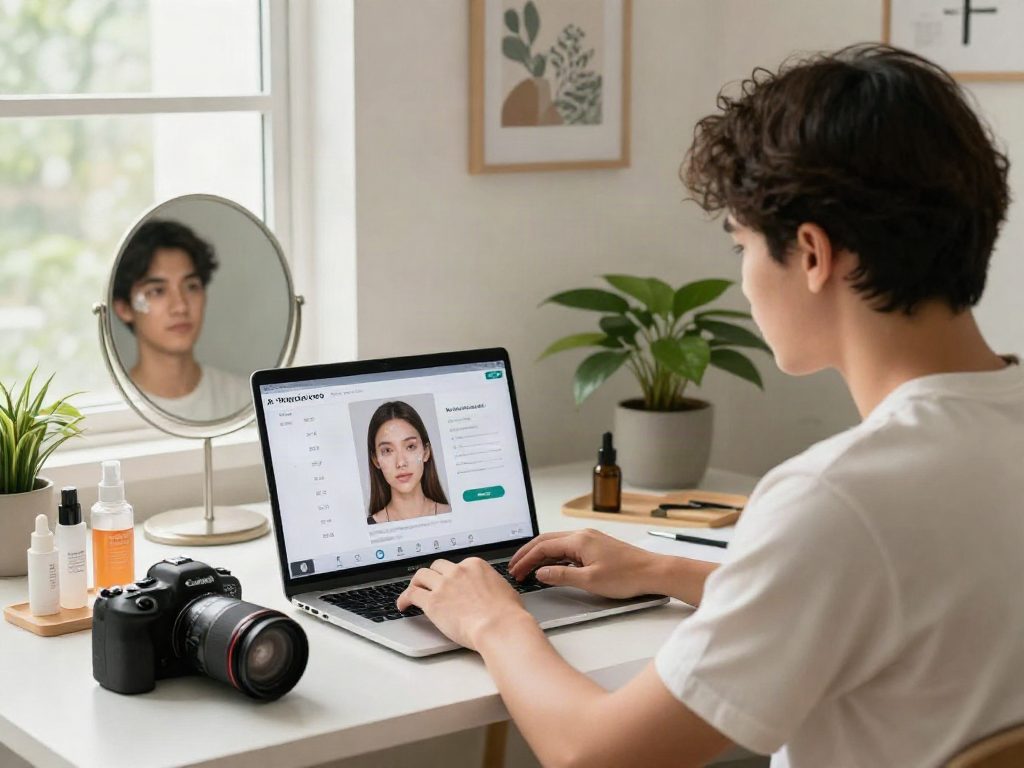
Understanding the 'How Old Do I Look' Phenomenon
As curiosity about age perception surges, tools that estimate how old someone looks have gained immense popularity. Understanding what prompts individuals to seek out their perceived age can illuminate the deeper societal implications tied to age and appearance. Whether driven by social media trends, self-esteem concerns, or a simple desire for fun, the engagement with age estimation tools reflects a broader fascination with aging and beauty.
When exploring options, how old do i look provides comprehensive insights into this intriguing topic, combining cutting-edge technology and user-friendly interfaces.
The Concept of Age Perception
Age perception encompasses how individuals estimate their own age and that of others based on physical appearance. Factors influencing these perceptions include cultural norms, personal experiences, and societal standards of beauty. Interestingly, age perception often diverges from chronological age, where individuals may feel, or be perceived as, younger or older than they are. This discrepancy can impact self-esteem and social interactions, making age perception a significant psychological aspect of human behavior.
How AI Technology Works for Age Estimation
Modern age estimation tools leverage artificial intelligence (AI) algorithms to analyze facial features accurately. These algorithms are trained on vast datasets of facial images and their corresponding ages, allowing them to recognize patterns and make predictions about age based on new images. Key factors for analysis include skin texture, wrinkles, and facial structure. As technology evolves, machine learning models continue to improve in accuracy, offering increasingly reliable age estimations.
Importance of Accurate Age Recognition
Accurate age recognition can have various implications, such as enhancing user engagement in social media platforms, improving customer targeting in marketing campaigns, and informing personal skincare regimens. Additionally, age recognition aids in understanding demographic trends in health-related research, making it a multi-faceted tool with broad applicability across different sectors.
Exploring Popular AI Age Estimator Tools
Overview of Leading Age Estimation Apps
Numerous apps and online tools are available to help users determine how old they look. Some of the leading platforms include FaceAge.ai, Fotor, and BeautyPlus, each offering unique functionalities and user experiences. These tools typically require users to upload a photograph, which the AI then analyzes to provide an estimated age. Each tool features a streamlined user interface to enhance the experience, allowing users to engage with the technology easily.
Comparative Analysis: Accuracy and User Experience
When comparing different tools, accuracy remains the top priority. Studies have shown variations in results depending on the algorithm and dataset used by each platform. For instance, FaceAge.ai has been reported to utilize a more extensive dataset, leading to generally higher accuracy compared to competitors. User experience also plays a crucial role; apps such as BeautyPlus excel in providing engaging, visually appealing interfaces that keep users returning for more.
Unique Features of Various Platforms
While the basic premise of age estimation is similar, unique features differentiate these platforms. For example, Fotor includes additional editing tools that allow users to enhance their photos before assessment, while FaceAge.ai incorporates a detailed analysis of skin health along with the age estimate. Such features not only add value but also enhance user engagement, making them vital for app developers looking to stand out in a crowded market.
Practical Applications for Age Estimation
How It Benefits Individuals in Social Media
Age estimation tools cater to a wide audience, particularly individuals active on social media. Users often seek validation and engagement through visual content that resonates with their perceived persona. By understanding how old they appear, individuals can optimize their profiles and content to attract specific demographics, heightening their online presence and interaction rates.
Use in Marketing and Advertisements
Marketers increasingly rely on age estimation technology to craft targeted advertisements that resonate with their intended audience. By understanding the perceived age of their customers, brands can tailor content that appeals more directly to specific age groups. For instance, beauty products marketed toward younger consumers might focus on vibrant imagery, while those targeting older demographics may highlight anti-aging features and benefits.
Impact on Self-Confidence and Body Image
Engaging with age estimation tools can significantly impact users' self-confidence and body image. While some may find reassurance in looking younger than their actual age, others could develop insecurities if their perceived age is higher. Understanding these psychological effects is vital for fostering healthier body image perceptions and promoting positive social interactions.
Challenges and Misconceptions
Common Misunderstandings About AI Age Estimators
Despite their rise in popularity, AI age estimators are often misunderstood. Many users may think that these tools provide a definitive answer regarding their age; however, the estimations are based on probabilistic models that can have margins of error. Emphasizing the entertainment aspect rather than definitive accuracy can help drive a healthier engagement with these tools.
Ethical Considerations in Age Estimation
The rise of AI tools also brings ethical challenges, particularly regarding consent and the potential for misuse. Age estimation technologies must prioritize user privacy and ensure that images aren't used for illicit purposes. Developers and platforms should implement robust guidelines to protect users' personal data, fostering trust and safety in the use of such technologies.
Addressing Data Privacy Concerns
With increased scrutiny surrounding data privacy, developers of age estimation tools must prioritize transparency about how users' images and data are processed. Establishing clear privacy policies and allowing users to control their data can mitigate concerns and foster responsible use of technology. Additionally, educating users on their rights regarding data sharing enhances trust in these platforms.
Future of Age Estimation Technology
Trends and Predictions for 2026 and Beyond
As technology continues to advance, future trends in age estimation are likely to focus on improving accuracy and expanding applications across various fields. By 2026, we can anticipate a more significant integration of AI in real-time analysis, allowing users to receive immediate feedback on their appearance using live camera feeds. This shift could revolutionize how we engage with our own self-image and social interactions.
Innovations in AI: Beyond Age Estimation
Beyond simple age estimation, AI innovations could enable more comprehensive facial analysis tools focusing on overall health and wellness. This technology may assess factors like skin health and fatigue levels, providing users with actionable insights to enhance their appearance and health.
Potential Applications in Health and Wellness
As understanding of aging and its effects on health evolves, age estimation tools can integrate insights from healthcare professionals to offer preventative advice. This could include recommendations for skincare or lifestyle changes based on perceived age, further expanding the utility of these applications beyond mere entertainment.
What is the best app to figure out how old do I look?
The best app for determining how old you look will depend on individual preferences concerning user experience and accuracy. Popular options include FaceAge.ai and Fotor, both of which have garnered positive reviews for their user-friendly interfaces and dependable algorithms.
How accurate are AI age estimators?
While many AI age estimators generally provide a reasonably accurate estimate, it’s essential to remember that results can vary based on several factors. The quality of the photo, lighting conditions, and the specific algorithms used can influence accuracy, making it advisable to view these estimations as approximations rather than definitive answers.
Can these apps be used for purposes beyond just fun?
Absolutely! While many users engage with age estimation apps for amusement, businesses can leverage this technology for targeted marketing efforts, while individuals may benefit from enhanced self-awareness regarding their appearance and health.
What ethical issues arise from using age estimation technology?
Ethical concerns include potential misuse of data and the implications of perpetuating age stereotypes. Developers must prioritize ethical frameworks to address these concerns proactively, ensuring responsible usage and protecting user privacy.
How will technology improve age accuracy in the future?
Future advancements in AI will likely focus on improving algorithmic accuracy by incorporating diverse datasets and sophisticated recognition patterns. Continuous learning from user data could enhance model precision, resulting in more reliable estimates.